I traveled through Hokkaido, Aomori, Iwate, and Akita to visit archaeological sites dating back to the Jomon period of Japan.
Each site offers something different. Some feature shell middens, while others preserve ancient settlements, cemeteries, or stone circles. The surrounding landscapes and museums or visitor centers also add to the experience, making each site unique.
This page introduces the 17 component sites of the UNESCO World Heritage Site “Jomon Prehistoric Sites in Northern Japan,” organized by region.
For the sites I have personally visited, I have also included links to detailed travel reports, where you can see what the sites look like today, what is on display, and some of the artifacts discovered there.
I hope this guide helps you choose your next Jomon adventure in Japan!
What are the Jomon Prehistoric Sites in Northern Japan?
“Jomon Prehistoric Sites in Northern Japan” is a UNESCO World Heritage Site made up of 17 archaeological sites in Hokkaido, Aomori, Iwate, and Akita.
The site was inscribed on the UNESCO World Heritage List in 2021.
The Jomon period lasted for more than 10,000 years, from around 16,000 years ago to approximately 2,300 years ago.
During this long period, people developed settled communities while making use of the natural resources around them. The archaeological sites show how Jomon communities developed settlements, cemeteries, ritual spaces, and other places for communal activities.
The sites include shell middens, settlements, burial sites, and stone circles, among others.
Because each site preserves different aspects of Jomon culture, visiting the 17 component sites allows you to explore Jomon life, society, and spiritual culture from many different perspectives.
The 17 component sites are spread across four prefectures and regions:
- Hokkaido: 6 sites
- Aomori Prefecture: 8 sites
- Iwate Prefecture: 1 site
- Akita Prefecture: 2 sites
In addition to these 17 component sites, there are also two related sites: Washinoki Site in Hokkaido and Choshichiyachi Shell Midden in Aomori.
Let’s take a look at each site, starting with the oldest.
Component Sites in Hokkaido
Hokkaido has six component sites.
Jomon sites are spread across a wide area, from southern Hokkaido around Hakodate and the southern Oshima Peninsula to Chitose, Date, and Lake Toya.
Kakinoshima Site|Hakodate, Hokkaido
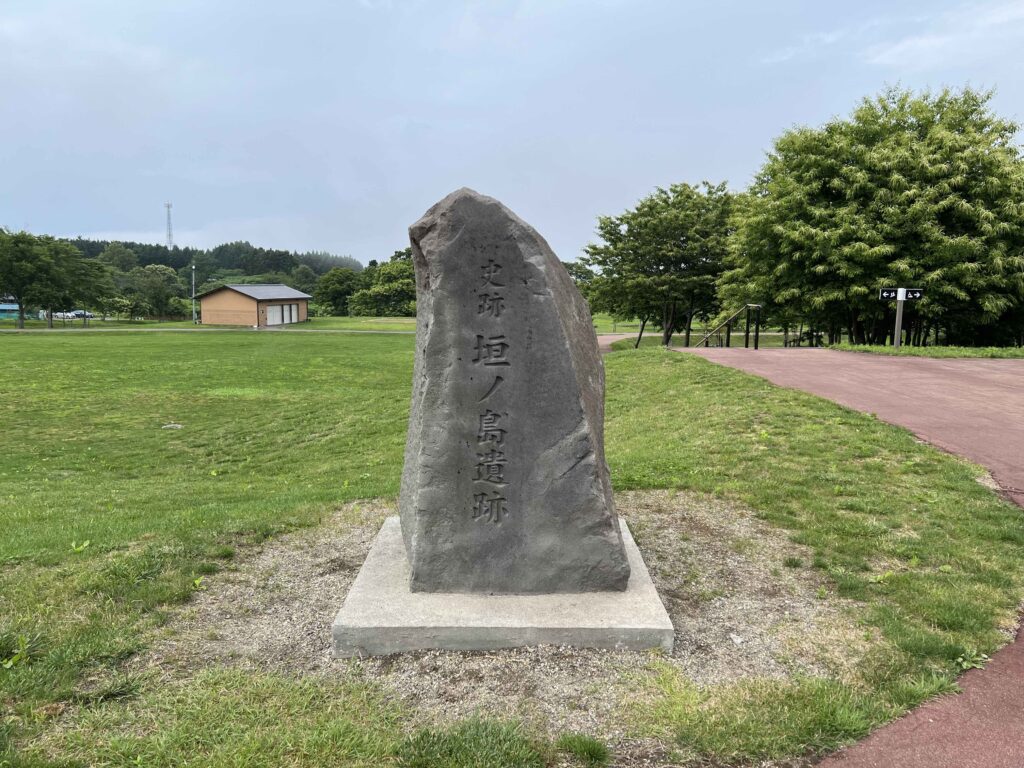
The Kakinoshima Site is a Jomon settlement that shows that residential areas and burial areas were separated.
One of its most distinctive features is a large U-shaped embankment, one of the largest structures of its kind found in Japan.
Artifacts such as clay objects bearing impressions of human footprints have also been discovered here.
After exploring the archaeological site, I recommend visiting the nearby Hakodate Jomon Culture Center to learn more about the Jomon culture of the Hakodate area.
▶ Read my travel report from the Kakinoshima Site
Kitakogane Site|Date, Hokkaido
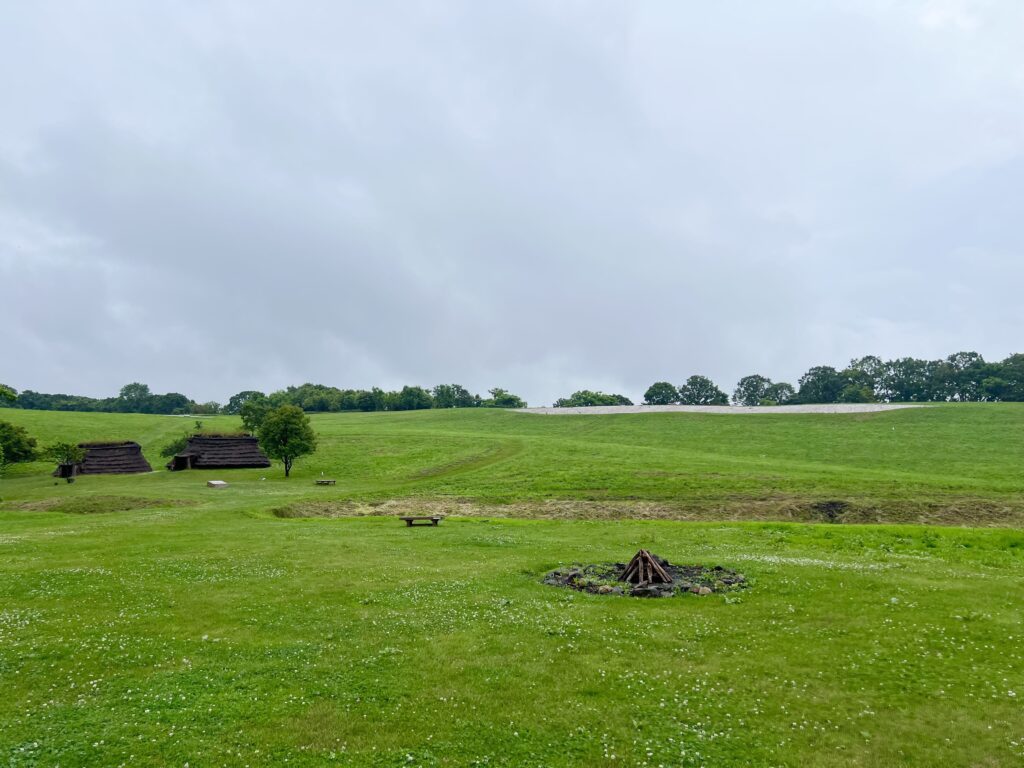
The Kitakogane Site is a large settlement with several shell middens overlooking Uchiura Bay.
In addition to shell middens, archaeologists have discovered a ritual area around a water source and remains of pit dwellings.
These discoveries provide clues not only about everyday Jomon life but also about their relationship with nature and their spiritual practices.
When I visited the site, I was struck by its open landscape, with reconstructed pit dwellings and shell middens surrounded by a large grassy area.
▶ Read my travel report from the Kitakogane Site
Ofune Site|Hakodate, Hokkaido
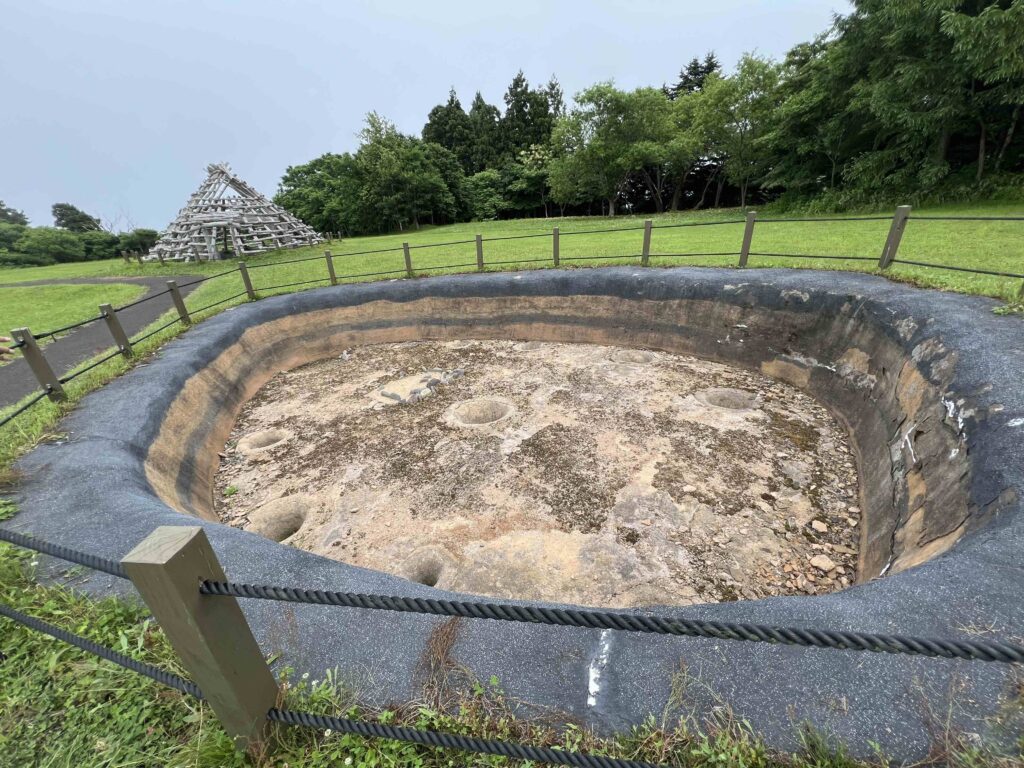
The Ofune Site is a large settlement where archaeologists discovered unusually large pit dwellings, some of which were more than 2 meters deep.
The site also contains evidence of developed ritual spaces.
As you walk across the spacious plateau and look out over the surrounding landscape, it is easy to imagine this place as a major center of Jomon life.
▶ Read my travel report from the Ofune Site
Irie Site|Toyako, Hokkaido
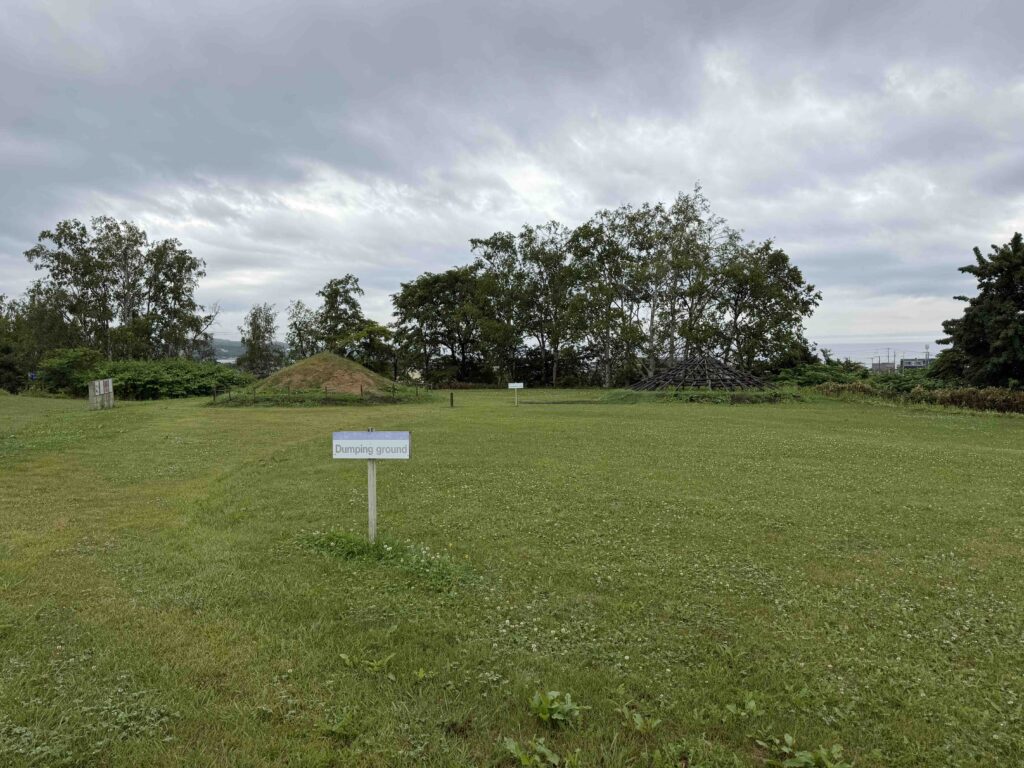
内浦湾を望む台地に位置する入江貝塚。
共同の祭祀場や墓地を支えた集落跡で、特徴的な入江式土器や、北海道では生息していないイノシシの牙を使ったアクセサリーなども見つかっています。
近くには高砂貝塚もあり、2つの遺跡をあわせて見学できるのも嬉しいところ。
The Irie Site is located on a plateau overlooking Uchiura Bay.
It was a settlement with communal ritual and burial areas. Characteristic Irie-style pottery has been discovered here, as well as ornaments made from wild boar tusks.
Wild boars did not live in Hokkaido during the Jomon period, making these artifacts especially interesting.
The nearby Takasago Site can also be visited together with Irie, making it easy to explore both sites in one trip.
▶ Read my travel report from the Irie Site
Kiusu Earthwork Burial Circles|Chitose, Hokkaido

The Kiusu Earthwork Burial Circles are communal burial sites surrounded by large circular earthen embankments.
The enormous earthworks create a landscape quite different from the image many people may have of a typical Jomon archaeological site.
Walking around the site and seeing the size and arrangement of the earthworks gives you a sense of how much collective effort must have gone into creating this place.
▶ Read my travel report from the Kiusu Earthwork Burial Circles
Takasago Site|Toyako, Hokkaido
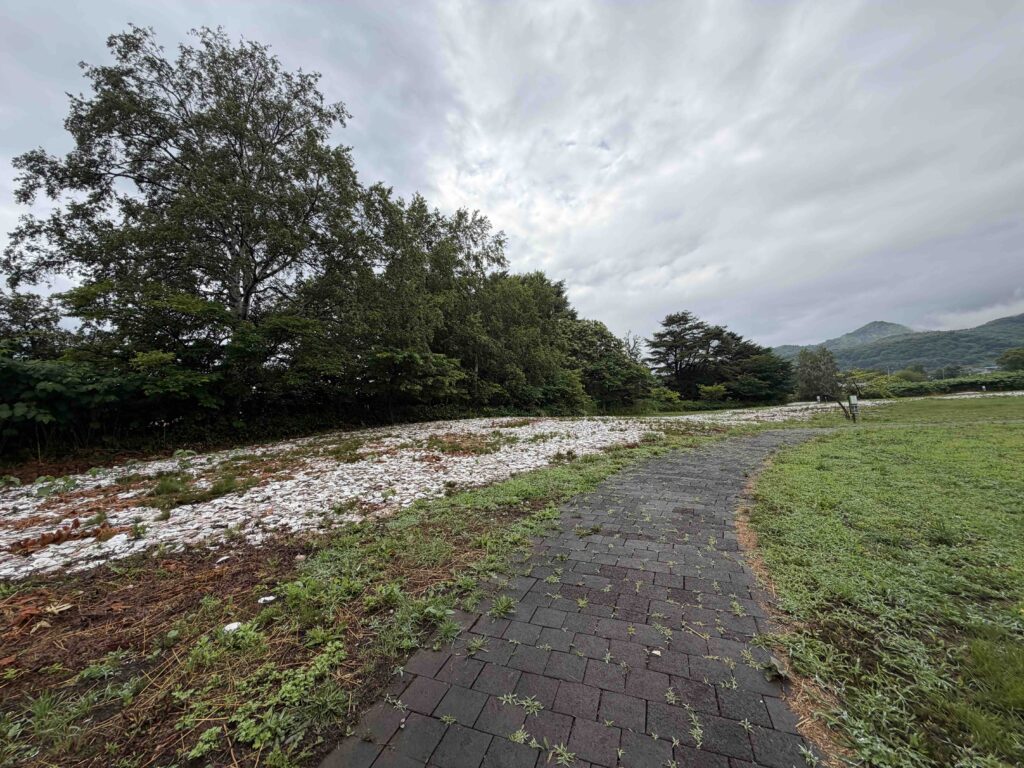
入江貝塚の近くにある高砂貝塚は、内浦湾に面した共同墓地です。
28基の墓坑が見つかっており、墓にはベンガラがまかれていたこともわかっています。
さらに、縄文時代の貝塚だけでなく、1663年以前の近世の貝塚も残っているのが面白いところ。
ひとつの場所に異なる時代の痕跡が重なっていることから、長い時間にわたってこの地域が利用されてきたことがわかります。
Located near the Irie Site, the Takasago Site is a communal cemetery overlooking Uchiura Bay.
A total of 28 burial pits have been discovered here. Traces of red ochre, known as bengara, have also been found in the burials.
Another interesting feature is that the site contains not only a Jomon-period shell midden but also a later shell midden dating to before 1663.
The overlapping traces from different periods show that this area was used repeatedly over a very long period of time.
▶ Read my travel report from the Takasago Site
Component Sites in Aomori Prefecture
Aomori has eight component sites, the largest number among the four prefectures.
This area offers an especially wide variety of Jomon sites, from large settlements and shell middens to stone circles and archaeological sites famous for their clay figurines.
Odai Yamamoto Site|Sotogahama, Aomori
The Odai Yamamoto Site is an important archaeological site for understanding the beginnings of the Jomon period.
Pottery and stone tools have been discovered here, providing evidence of human activity around 15,000 years ago.
It is a fascinating place to visit if you want to explore the very beginning of the long history of Jomon culture.
Tagoyano Shell Mound|Tsugaru, Aomori
The Tagoyano Shell Mound is a settlement associated with a shell midden overlooking Lake Jusan.
Shells, animal bones, and other remains provide clues about the diet of the people who lived here and the environment around them.
The site offers a glimpse into how Jomon communities made use of the abundant resources of the surrounding waterways.
Futatsumori Shell Mound|Shichinohe, Aomori
At the Futatsumori Shell Midden, both marine and brackish-water shell middens have been discovered.
The site is particularly interesting for understanding changes in the natural environment during the Jomon period.
By studying the remains preserved in the shell middens, researchers can learn about both the environment and the daily lives of the people who lived here.
Sannai Maruyama Site|Aomori, Aomori

The Sannai Maruyama Site is one of Japan’s most famous Jomon archaeological sites.
It was a large settlement with a variety of structures, including large pit dwellings and post-built buildings.
Several structures have been reconstructed, and the site has excellent museum and exhibition facilities, making it a particularly accessible place to learn about Jomon culture – even if you are visiting a Jomon site for the first time.
▶ Read my travel report from the Sannai Maruyama Site
Komakino Site|Aomori, Aomori

The Komakino Site is known for its large stone circle with a complex arrangement of stones.
The stones are not simply arranged in a circle. Additional stones were carefully placed around the main circle, creating a distinctive design.
Standing at the site, you may find yourself wondering: How did Jomon people build something like this?
▶ Read my travel report from the Komakino Site
Omori-Katsuyama Site|Hirosaki, Aomori
The Omori-Katsuyama Site is home to a large stone circle built at the foot of Mount Iwaki.
One of the highlights of visiting this site is the spectacular view of Mount Iwaki in the background.
The combination of the archaeological site and the surrounding natural landscape offers a chance to think about how closely Jomon communities were connected to their environment.
Kamegaoka Burial Site|Tsugaru, Aomori

Kamegaoka Burial Site is a cemetery where highly artistic clay figurines and a variety of grave goods have been discovered.
The site is particularly famous for the Shakoki-dogu, or “goggle-eyed” clay figurine.
The sophisticated figurines, lacquerware, and other artifacts associated with the Kamegaoka culture may completely change the way you imagine the artistic achievements of Jomon people.
▶Read my travel report from the Kamegaoka Stone Age Site
Korekawa Site|Hachinohe, Aomori
The Korekawa Site is a settlement where archaeologists have discovered pit dwellings, burial pits, water-related areas, and refuse areas.
It is particularly well known for artifacts made using lacquer, demonstrating the advanced craftsmanship of Jomon people.
The site can also be combined with a visit to the Hachinohe Museum and the Korekawa Archaeological Institution to explore the area’s Jomon culture in greater depth.
▶ Read my travel report from the Korekawa Stone Age Site
The Component Site in Iwate Prefecture
Iwate has one component site: Goshono Site.
Goshono Site|Ichinohe, Iwate
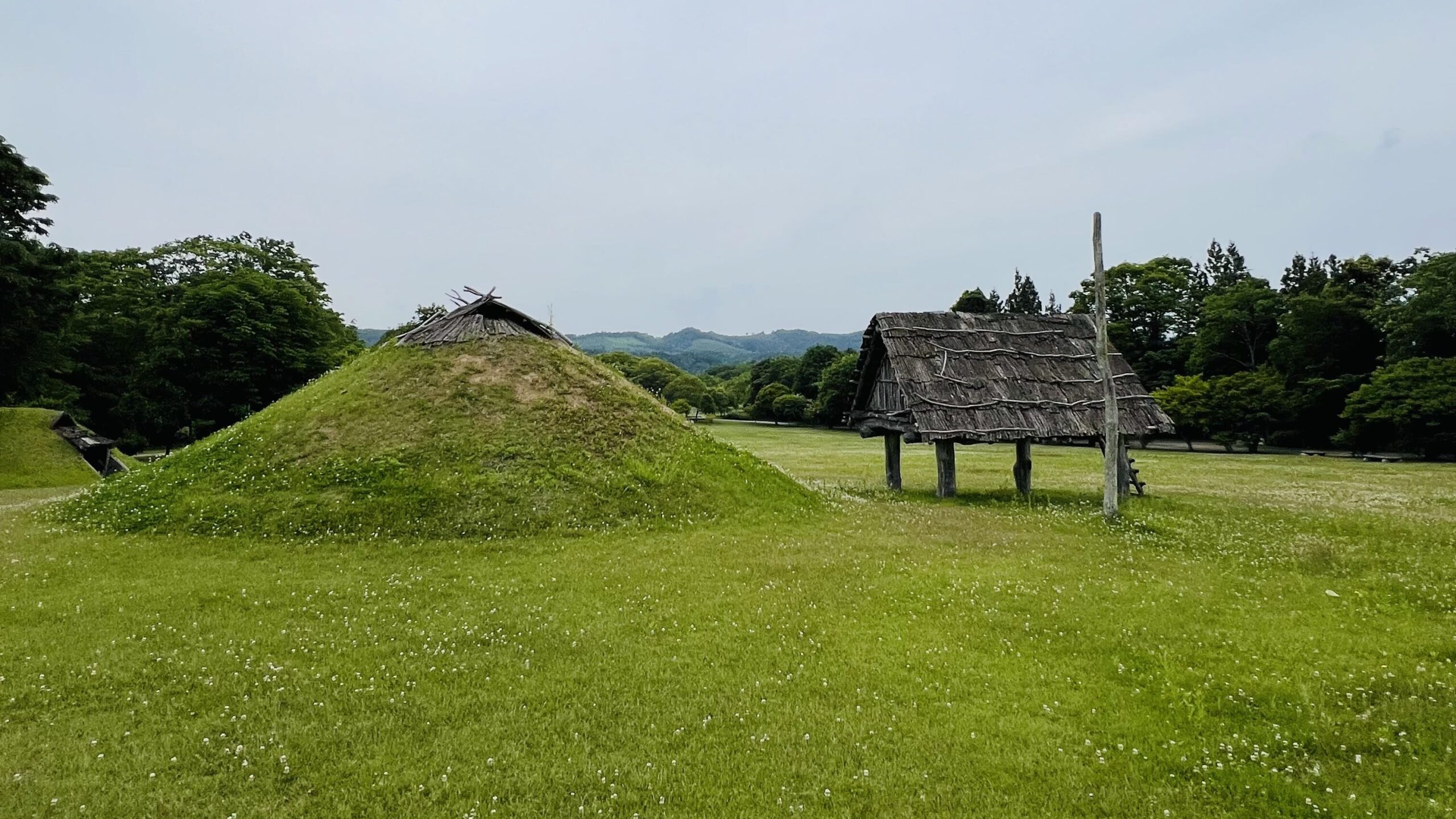
御所野遺跡は、墓域と祭祀場を中心とした拠点集落です。
竪穴建物の復元などから、縄文時代の集落の様子をイメージしやすい遺跡でもあります。
特に、焼けた竪穴建物跡から見つかった炭化材などから、当時の建物や暮らしについて考えられるのが興味深いところ。
The Goshono Site is a large settlement centered around burial and ritual areas.
Reconstructed pit dwellings make it easier to imagine what a Jomon settlement may have looked like.
One particularly fascinating feature is the evidence preserved in burned pit dwellings. Charred wood and other remains provide clues about the construction of the buildings and the lives of the people who lived there.
Component Sites in Akita Prefecture
Akita has two component sites, both famous for their impressive stone circles.
Isedotai Stone Circles|Kitaakita, Akita

The Isedotai Stone Circles contains four stone circles concentrated in one area.
The site is thought to have been used for rituals during the Jomon period.
In addition to the stone circles, clay figurines and other artifacts discovered at the site are also worth seeing.
▶ Read my travel report from the Isedotai Stone Circles
Oyu Stone Circles|Kazuno, Akita
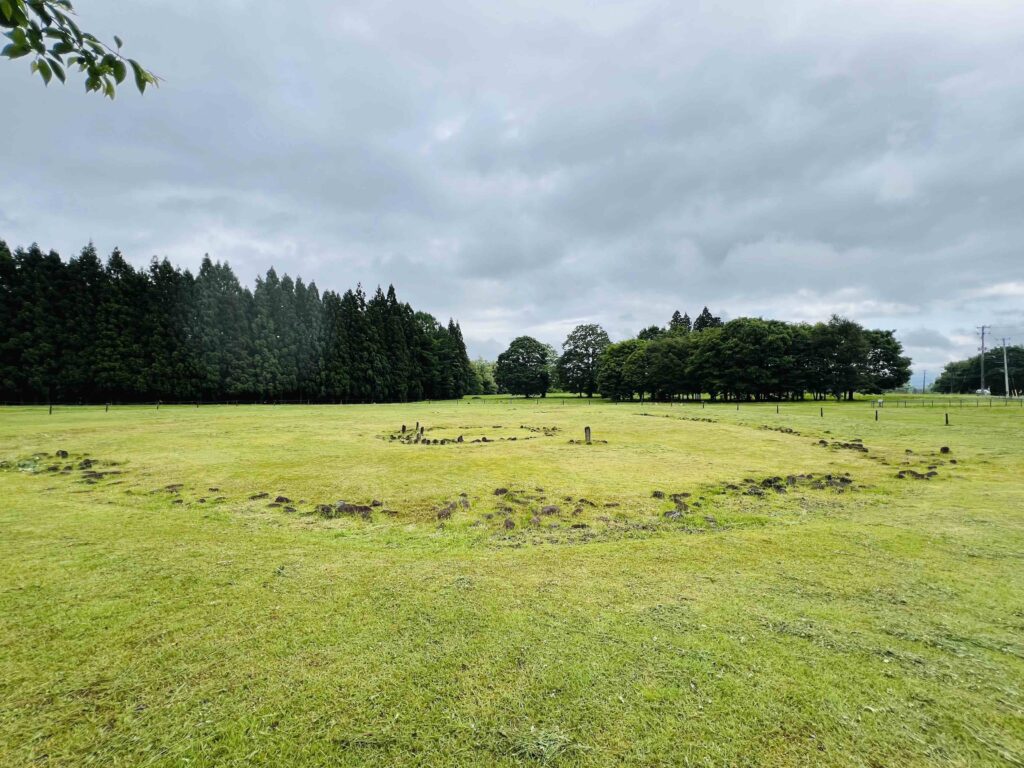
The Oyu Stone Circles consist of two large stone circles known as the Manza Stone Circle and the Nonakado Stone Circle.
The carefully arranged stones create a highly distinctive landscape.
When you walk around the site, its scale is even more impressive than it appears in photographs.
▶ Read my travel report from the Oyu Stone Circles
More Than the 17 Component Sites: Related Sites
The World Heritage property includes 17 component sites, but there are also two archaeological sites designated as related sites:
- Washinoki Stone circle in Hokkaido
- Choshichiyachi Site in Aomori
Although these two sites are not part of the 17 component sites, they are important for understanding the wider Jomon culture of northern Japan and are preserved and utilized together with the World Heritage sites.
Washinoki Stone circle|Mori, Hokkaido
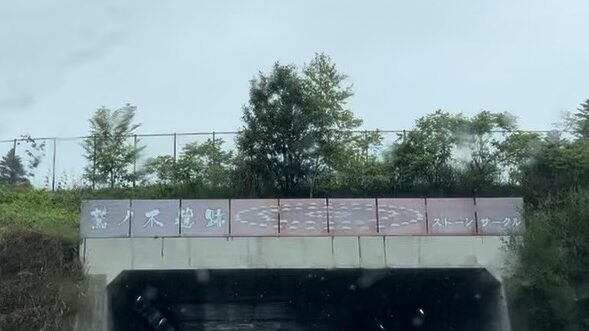
The Washinoki Stone circle is home to the largest stone circle discovered in Hokkaido.
The stone circle is believed to have been built around 4,000 years ago.
When viewed together with the surrounding natural landscape, its location becomes just as interesting as the stone circle itself.
If you are interested in exploring stone circles in Hokkaido, Washinoki is definitely worth considering.
▶ Read my travel report from the Washinoki Site
Choshichiyachi Site|Hachinohe, Aomori
The Choshichiyachi Site is a settlement associated with a shell midden dating to the period of the Jomon marine transgression, when the sea extended farther inland than it does today.
The site provides clues about the environment at that time and shows how Jomon people made use of the rich resources available around the water.
Visiting this site alongside the 17 component sites can help you understand the Jomon culture of northern Japan from a broader perspective.
Explore the Jomon Prehistoric Sites in Northern Japan
The Jomon Prehistoric Sites in Northern Japan offer a fascinating way to explore Jomon culture from many different perspectives.
By visiting the 17 sites, you can see how diverse Jomon settlements, cemeteries, ritual spaces, and shell middens were.
After visiting several of these sites myself, I was struck by how different each one felt. Even though they all date to the Jomon period, each site reveals a different aspect of the lives and culture of the people who lived here thousands of years ago.
Interested in shell middens? Try Kitakogane, Irie, or Takasago.
Interested in clay figurines and Jomon pottery? Combine archaeological sites with museums in Hakodate and Aomori.
Want to see impressive stone circles? Visit Komakino, Isedotai, or Oyu.
There are many ways to enjoy a Jomon journey.
Find a site that catches your interest and make it the destination for your next trip to northern Japan.
I still have sites I have not visited yet, as well as places I would love to explore again more carefully. I hope to continue my own Jomon travels, one site at a time.