Introduction
Are you interested in Japan’s ancient history but worried about the language barrier? Then you must explore “JOMON”—a fascinating era that lasted over 10,000 years, known for its deep spiritual connection with nature and world-class pottery. It was recently recognized as a UNESCO World Heritage site and is capturing hearts worldwide.
While many historical sites in Japan still primarily use Japanese, we’ve found the gems for you! Here are 4 hand-picked Jomon sites and museums where you can enjoy excellent English support and a stress-free experience. Let’s dive into the mysterious world of ancient Japan!
Please make sure to check the official website for the latest information before your visit.
Sannai Maruyama Site -Special historic site-📍 Aomori

English Support Info
- 🗣️ English Guide: Volunteer guides are available! For groups, English-speaking staff can assist. (Advance reservation required.)
- 📱 Multilingual Tools: Dedicated tablets for site and exhibition commentary are available for rent at the Information Desk. (Available in English, Chinese, Korean, and Thai.)
- 📹 Jomon Theater: English audio players are available for rent at the reception desk.
Why We Recommend It for International Guests
As Japan’s largest Jomon settlement, the scale of this site is simply amazing. Even if you don’t understand a word of Japanese, just looking up at the reconstructed “Large 6-Pillared Structure” will leave you impressed by the ancient engineering skills. The site is vast and beautiful, making it a perfect spot for a stroll on a sunny day.
Don’t forget to visit the on-site restaurant! You can try unique dishes like “Jomon Curry.” It’s the perfect place for a half-day trip including lunch.

Korekawa Site -Special historic site-📍 Aomori

English Support Info
- 🗣️ English Guide: Volunteer guides are available upon request. (Advance reservation required.)
- 📱 Multilingual Tool: You can use the “Pocket Curator“ app for English commentary. Once installed, it provides detailed explanations of the permanent exhibits directly on your smartphone.
Why We Recommend It for International Guests
The absolute highlights here are the stunning Urushi (lacquerware) artifacts and the National Treasure, “Gassho Dogu” (Clasping Hands Clay Figurine).
You’ll be amazed by the sophisticated lacquer techniques developed during the Jomon period. Even the “Gassho Dogu” shows traces of this ancient lacquer in its grooves. Its unique pose, which looks like it’s offering a deep prayer, is extremely rare and incredibly moving to see in person. This museum is a must-visit for anyone who appreciates ancient art and craftsmanship.

Goshono Ruins -Special historic site-📍 Iwate

English Support Info
- 📱 Multilingual Tool: Dedicated tablets featuring the “Goshono Jomon Park Guide App” are available for rent at the Information Desk. It provides detailed explanations for the site and museum exhibits. (Available in English, French, Korean, and Chinese — Simplified/Traditional.)
Why We Recommend It for International Guests
The highlight of Goshono is seeing the remnants of a “Planned Village.” You can see how the settlement was strategically organized into three zones (East, Central, and West) around a central stone circle.
It is also one of the few places in Japan where you can see reconstructed “Earthen-roof” pit dwellings. The sight of these grass and soil-covered houses creates a unique, fairytale-like landscape that you won’t find anywhere else. It’s a perfect place to experience how ancient people lived in harmony with the forest.

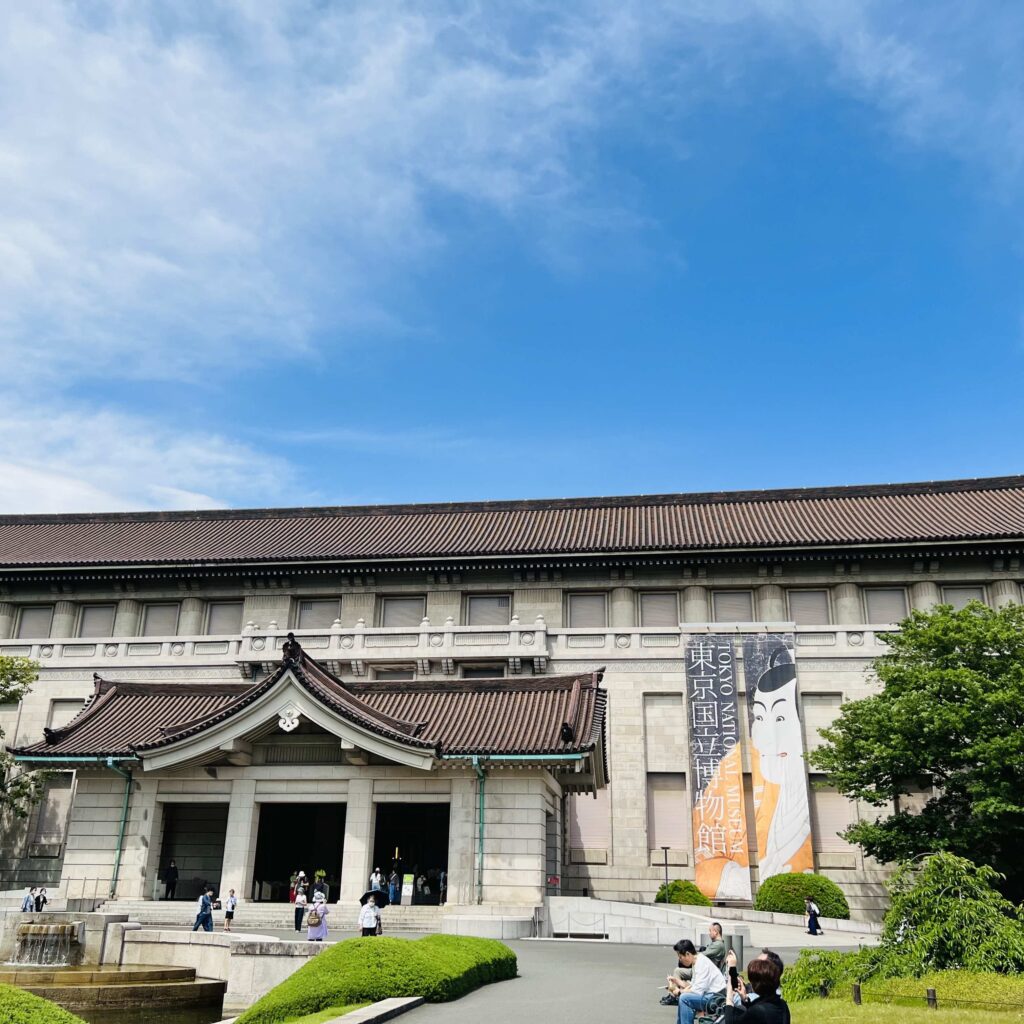
Tokyo National Museum 📍 Tokyo
English Support Info
- 📱 Multilingual Tool: You can use the official guide app, “TNM Navigation.” Once installed on your smartphone, you can enjoy various themed tours and interactive content to enhance your museum experience. (Available in English, Korean, and Chinese.)
Why We Recommend It for International Guests
The Tokyo National Museum consists of six different galleries. For Jomon fans, the “Heiseikan” (Japanese Archaeology) gallery is a must-visit! By comparing Jomon artifacts with the later “Yayoi” and “Kofun” periods, you can dynamically experience how Japanese culture evolved over thousands of years.
It truly serves as the perfect “Gateway to Japanese Culture.” After exploring the exhibits, we also highly recommend taking a relaxing stroll through the beautiful traditional garden located on the north side of the main building (Honkan).
Recommended App
“Pocket Curator” Used at the Korekawa Jomon Museum and many other museums across Japan, this app provides detailed explanations in English for various exhibits. It’s the perfect digital companion for your museum-hopping adventure!
Tips for a Smooth Trip
- Book in Advance: English-speaking staff and guides are often limited. Once your travel dates are set, it’s best to contact the facility as early as possible to make a request.
- Allow Extra Travel Time: Jomon sites are frequently located away from central train stations. To ensure you don’t miss the start of your guided tour, please give yourself plenty of time for transportation.
Conclusion
Jomon is more than just history; it’s a story of how humans lived in peace and harmony with nature for millennia. By choosing these 4 English-friendly spots, you can dive deep into this mystery without any stress.
So, pack your bags and go find your favorite “JOMON” moment. Ancient Japan is waiting for you!
Check out the “Jomon Trip” list here!
Latest Posts
Popular Posts



Important Notes
- About Ads: This article may contain sponsored content or advertisements (PR).
- Check the Latest Info: The information in this post is based on our visit. Please be sure to check the official website for the most up-to-date details.